
Farming Without a Map: Critical Cuts To Climate Aid
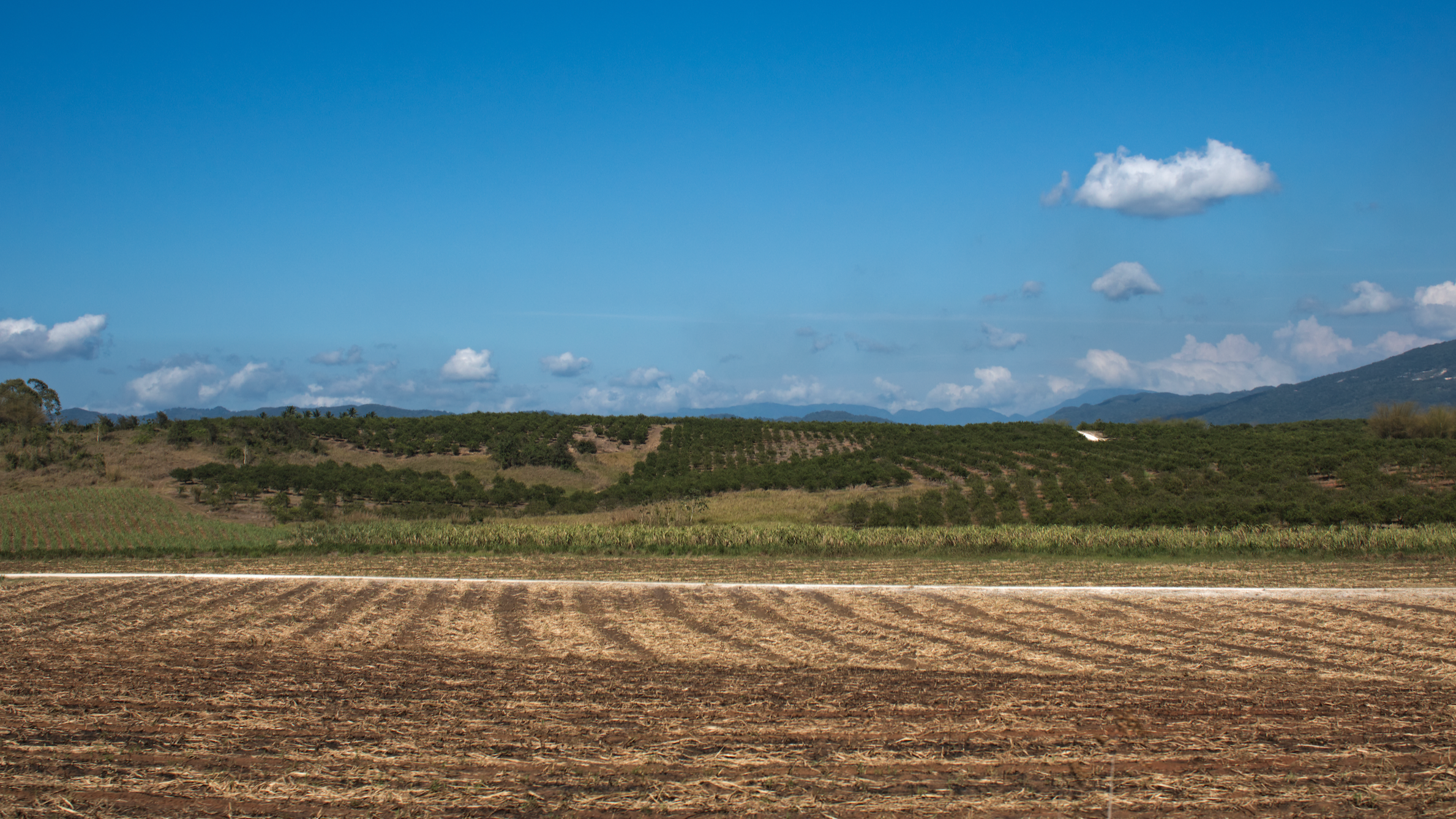
As farmers increasingly face "warmer, wetter springs and drier summers," a decade-old federal program designed to help them adapt is under threat from significant budget and staffing cuts.
The Role of Climate Hubs
Established in 2014, the USDA Climate Hubs act as a critical "in-between," translating complex climate data from agencies like NASA and NOAA into actionable tools for farmers, ranchers, and foresters. Key resources provided by the hubs include:
Adaptation Workbooks: Helping producers design land management plans for changing conditions.
Seedlot Selection Tools: Mapping tools that match seeds to future climate projections for specific planting sites.
Regional Collaboration: Facilitating monthly meetings between state climatologists and researchers to share information on emerging risks, like sudden atmospheric changes that could freeze crops.
Funding and Staffing Cuts
The future of these 11 regional hubs is now precarious due to a combination of legislative and administrative actions:
Proposed Termination: The 2026 White House budget request proposes terminating over $145 million in discretionary funding for the hubs and related climate science.
Congressional Reductions: A spending package passed in late 2025 has already begun cutting funds for the program.
Staffing Crisis: At the Midwest Climate Hub in Iowa, staffing has reportedly dropped from 12 employees down to 4. This is attributed to a federal hiring freeze and the non-renewal of "term" employees, even in cases where funding was technically available.
Impact on the Ground
Farmers report that the loss of these resources leaves them more vulnerable to extreme weather events, such as thunderstorms dropping multiple inches of rain in hours or erratic temperatures that make specialty crops like lettuce "unmarketable." Experts warn that dismantling these hubs will create a "lag effect," where the loss of science professionals and regional coordination will weaken weather-related services for years to come.
The proposed cuts to the USDA Climate Hubs do more than just remove weather data; they dismantle the primary support system for "climate-smart" conservation. When farmers lose access to these experts, the ripple effects extend directly to local water quality and biodiversity.
How could this environmentally impact local farms?
Water Quality and Nutrient Runoff
Climate Hubs provide the technical blueprints for keeping fertilizers on the field and out of the water supply.
The "Avoid, Trap, and Control" Strategy: Hubs teach farmers to use cover crops and grassed waterways to trap nitrogen and phosphorus. Without this guidance, heavier rains—which are becoming more frequent—wash these nutrients into local streams.
Preventing Algal Blooms: Excess nutrient runoff is the primary driver of toxic algal blooms in lakes and "dead zones" in the Gulf of Mexico. By helping farmers time their fertilizer applications to avoid forecasted "washout" events, the Hubs act as a first line of defense for downstream drinking water.
Soil Health and Erosion Control
A key part of the Hubs' mission is teaching "no-till" and cover cropping techniques.
Water Infiltration: Cover crops create natural channels in the soil that allow it to act like a sponge. Research from the Hubs shows that healthy, covered soil can increase water infiltration rates by up to 50%.
Erosion Mitigation: Without permanent cover, extreme rain events create "gullies"—deep scars in the land that permanently destroy topsoil. The Hubs provide regional-specific "Seedlot Selection Tools" to help farmers find the specific plants that will thrive and hold the soil together in their changing local climate.
Habitat Connectivity and Biodiversity
Climate Hubs encourage "agroforestry"—integrating trees and shrubs into crop and pasture lands.
Wildlife Corridors: By helping farmers design windbreaks and riparian buffers (strips of trees along water), the Hubs help create a "mosaic" of habitats. This allows pollinators, birds, and other wildlife to migrate safely across fragmented farm landscapes.
Stream Health: Trees planted through Hub-guided programs provide shade that keeps stream temperatures cool, which is vital for cold-water fish and aquatic life that cannot survive in the warmer waters caused by a heating climate.