
Still Here, Just Harder to Find
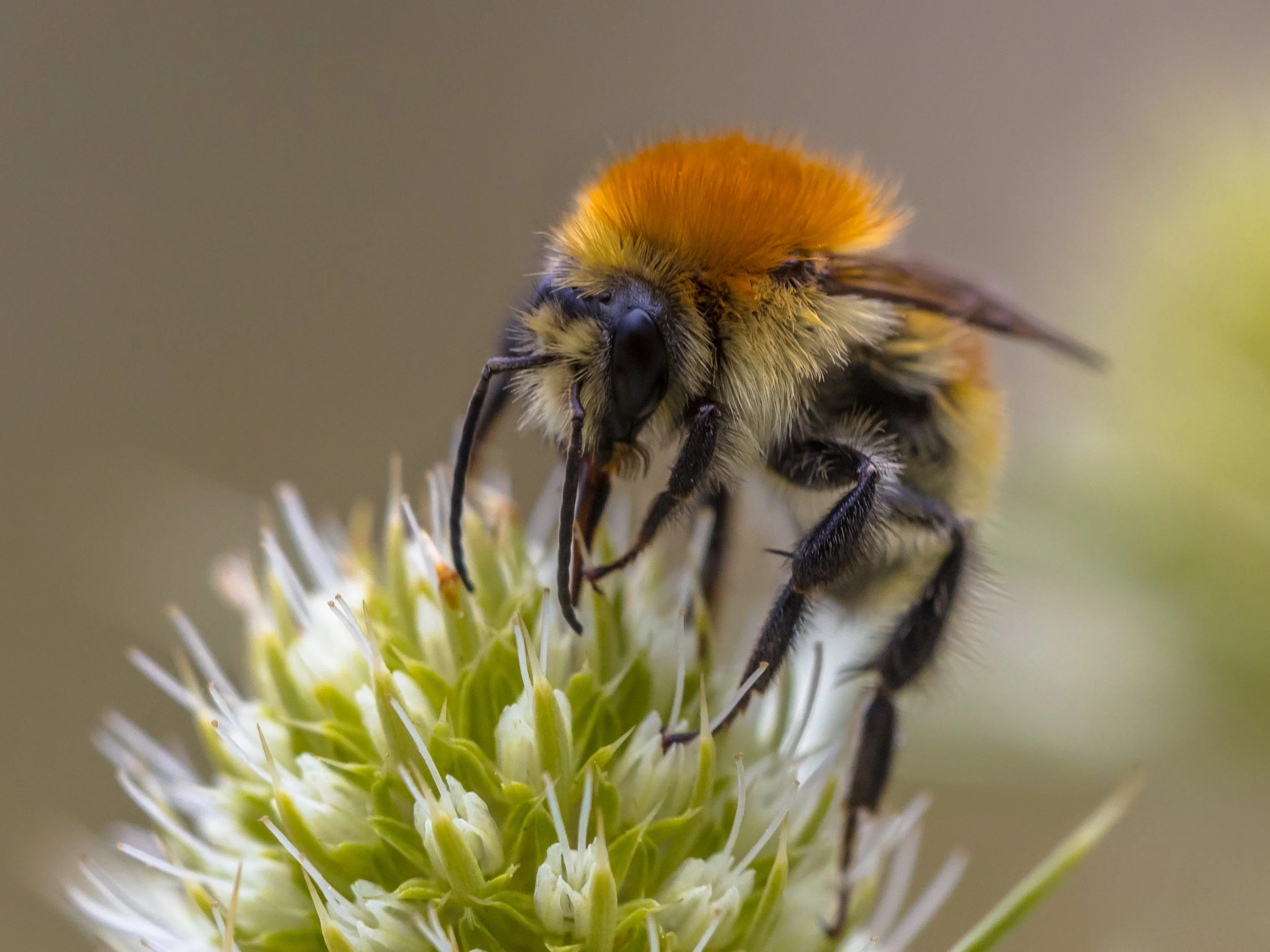
Europe's wild bees now have something they have never had: a full century of receipts.
Researchers led by Carlos Martínez-Núñez at the Doñana Biological Station in Spain assembled more than four million records, from 1921 to 2020, covering about 88 percent of the continent's known bee and hoverfly species.
The picture is not good. On average, a bee species is found across roughly a third less ground than it was a hundred years ago. Britain, France and central Europe have lost species outright, and cold-adapted bees have thinned fastest.
But less widespread is not the same as gone. More than 90 percent of the species in those old records have still been recorded in the past two decades, and in the Alps some warm-adapted species are moving uphill into new ground.
The map is shrinking. The bees, mostly, are still on it. That leaves something to work with.
Source: Carlos Martínez-Núñez et al., Proceedings of the National Academy of Sciences, 2026. DOI: 10.1073/pnas.2600774123. Published October 19, 2026; reported by Phys.org, October 20, 2026.
Photo: A real macro photograph of a great yellow bumblebee (Bombus distinguendus), a European wild bee, on a flower head, via bee:wild (beewild.org).